■MACHINERY
●FOOD
▲TEXTILE
◆LOGISTICS
▰ELECTRONICS
✚PHARMA
up to 50%
cycle-time difference between employees
//VIDEO0
production stops during the audit
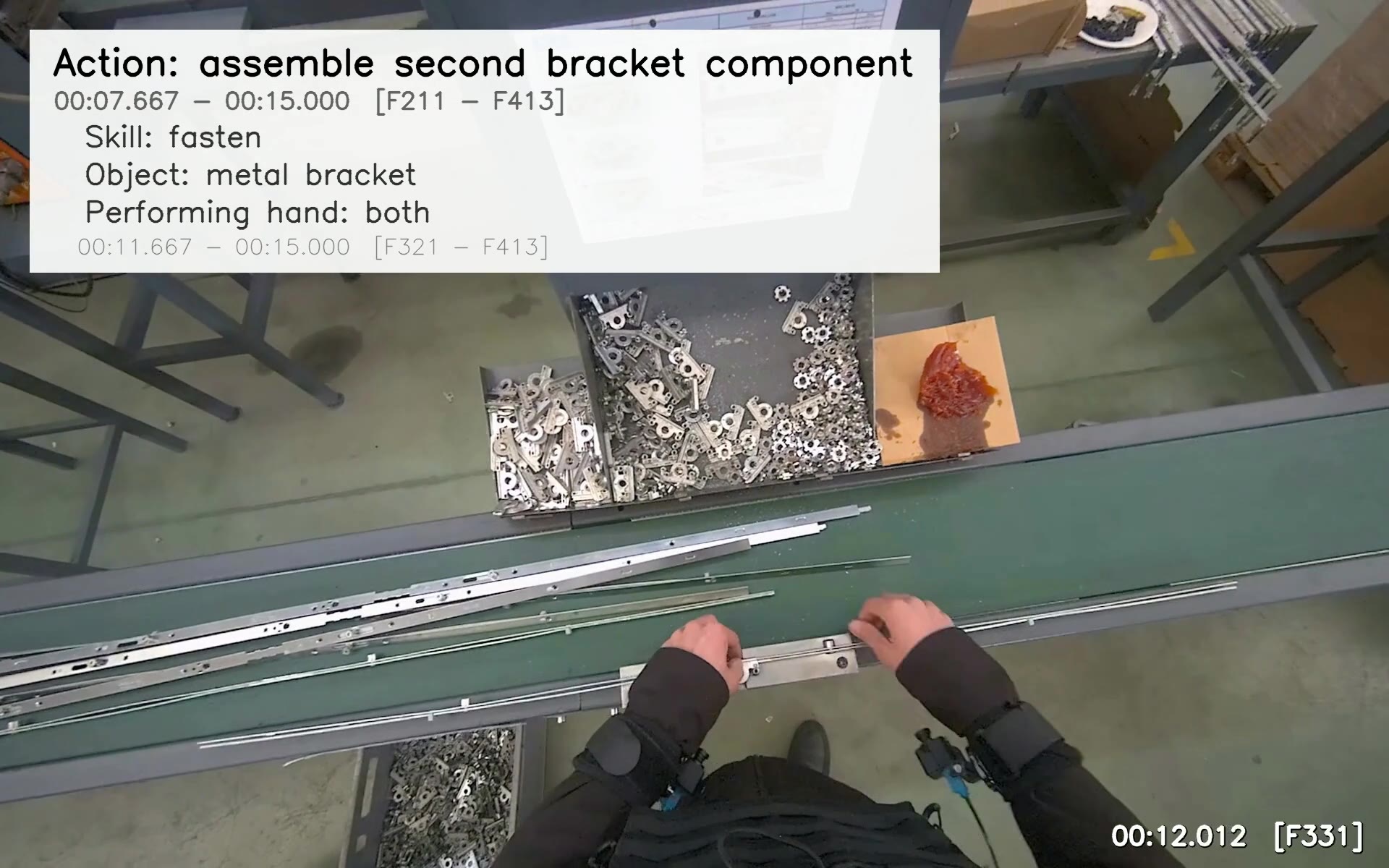
//LINE“We don’t show a report, we show video: here is the cycle, here are 40 seconds of waiting for the crane. Nobody argues with that — they work with it.”
NUMENOR
“We don’t rate people. We find the best reproducible process — and make it the standard for the whole shift.”
The Numenor principle
in every audit
21 sec
of reserve in every cycle — the gap between the best and the slowest execution
//CYCLES8+
industries — from machinery to pharma
//INDUSTRIES— Figures are illustrative. Actual numbers are established during the audit.
REPORTING VS NUMENOR
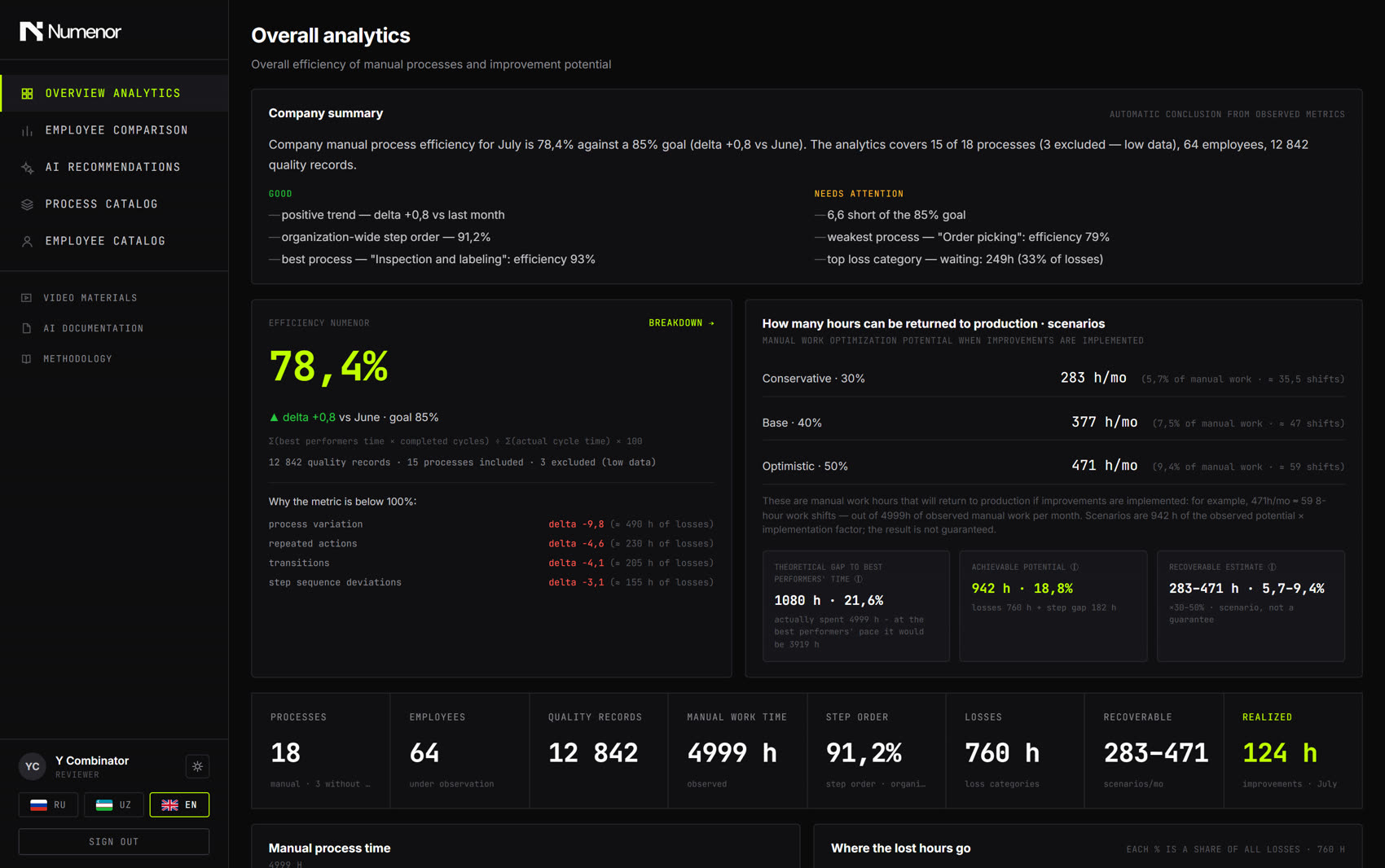
Losses that never show up in standard reporting
The same shift — in the report and on video. Numenor makes invisible losses measurable.
Standard reporting
Numenor
Waiting
✕Waiting for the crane, the setter, and materials dissolves into total shift time
✓Every pause is visible on video and measured to the second
Searching
✕Searching for tools, fixtures, and containers never makes it into any report
✓Search routes and time are recorded per workstation
Excess motion
✕Extra bends, turns, and steps count as “normal work”
✓Motion analysis isolates movements that create no value
Rework
✕Rework is written off to “order specifics” and unstable instructions
✓Every repeated action is linked to a cause, a place, and a cost
Micro-stops
✕Pauses shorter than a minute are never registered as downtime
✓Micro-stops add up to hours of lost output per month
Variability
✕Spread between operators and shifts only shows in monthly totals
✓Takt difference is measured per cycle — the best method becomes visible
INDUSTRIES
Real production problems — visible on video
Eight industries where manual operations drive output — and where the camera finds the reserve fastest.
8
manufacturing industries under observation
up to 50%
takt difference between operators of the same operation
//01 · EVERY-CYCLE TIMING
Assembly, metalworking, machine changeovers. Timing of every cycle and takt spread between operators and shifts.
//02 · LINE TAKT
Filling, packaging, sanitary transitions. Micro-stops and unstable line takt invisible in shift reports.
//03 · OPERATION BALANCE
Sewing flows and cutting. Operation balance between workstations: who waits, who is overloaded, where WIP piles up.
//04 · MOVEMENT MAP
Picking, receiving, in-plant routes. A spaghetti map of movements and excess meters per shift.
//05 · ASSEMBLY SEQUENCE
Manual assembly, sub-assembly, quality control. Time per operation, sequence errors, and repeated part touches.
//06 · UNLOAD TAKT
Molding, extrusion, part removal and finishing. Unload takt, waiting at molds, and manual-operation variability.
//07 · FINISHING BOTTLENECKS
Cutting, edging, assembly, and packaging. Movement between posts, hardware search, and finishing bottlenecks.
//08 · SOP COMPLIANCE
Filling, labeling, visual inspection. SOP compliance, line micro-stops, and changeover losses.
HOW WE WORK
Five steps from video capture to a change plan
Numenor builds an objective picture of how production actually works — and turns it into decisions.
Observe
Wearable cameras capture operations first-person in the natural work environment — without stopping the line or a permanent observer.
Capture — station 04
Wearable camera 014 h 12 min
Wearable camera 023 h 58 min
Fixed camera8 h 00 min
Linerunning as usual
Shift ARecorded
Shift BRunning
Observer on the linenot needed
3 capture points⋯
— From video capture to measurable operational decisions
THE DEVICE
We pick the device to fit the process
We build the wearable units ourselves, so each site gets the configuration that stays out of the operator's way: a head rig on assembly, a cap in food production, a wrist unit on fine manual work.
— Capture runs the whole shift: 1 kg on the operator, 8 hours of runtime, video and sensors synced by hardware timestamp.
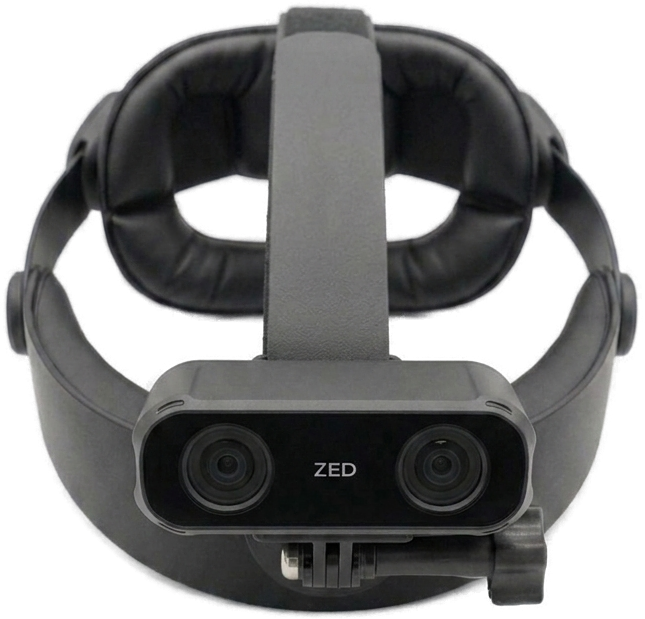 HEAD RIG · STEREO RGB
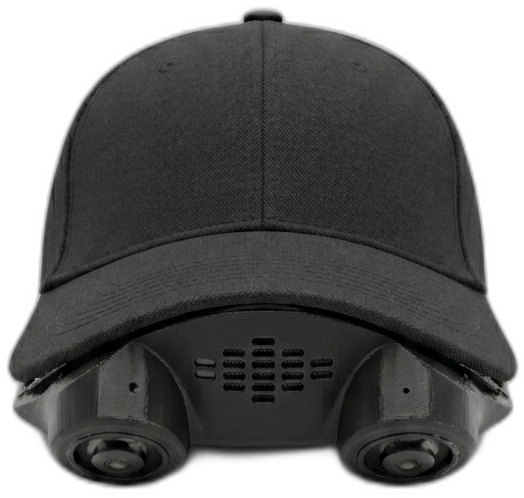 STEREO CAP · DUAL RGB
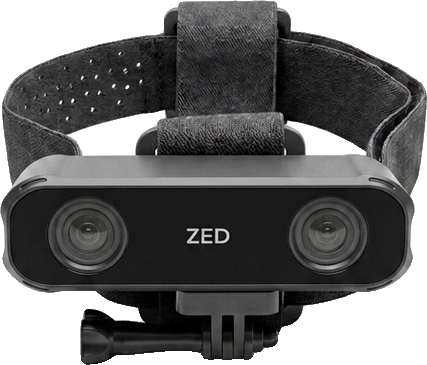 HEAD STRAP · RGB + IMU
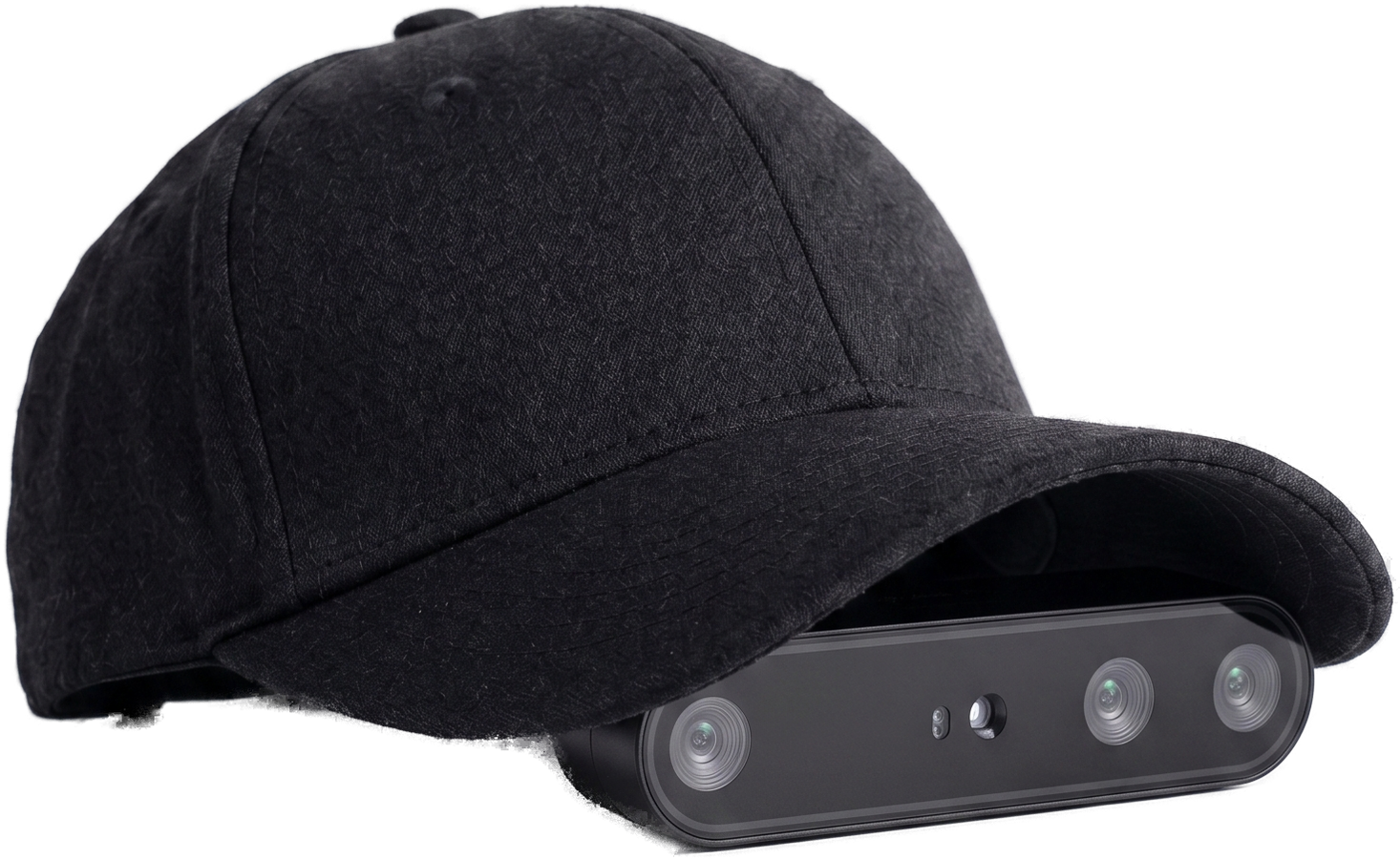 DEPTH CAP · RGB-D
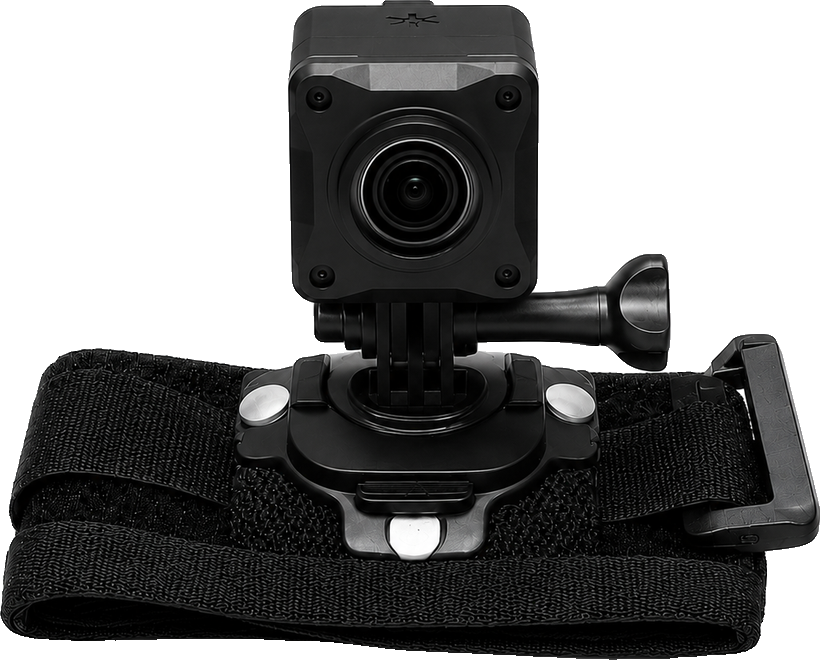 WRIST UNIT · RGB + IMU
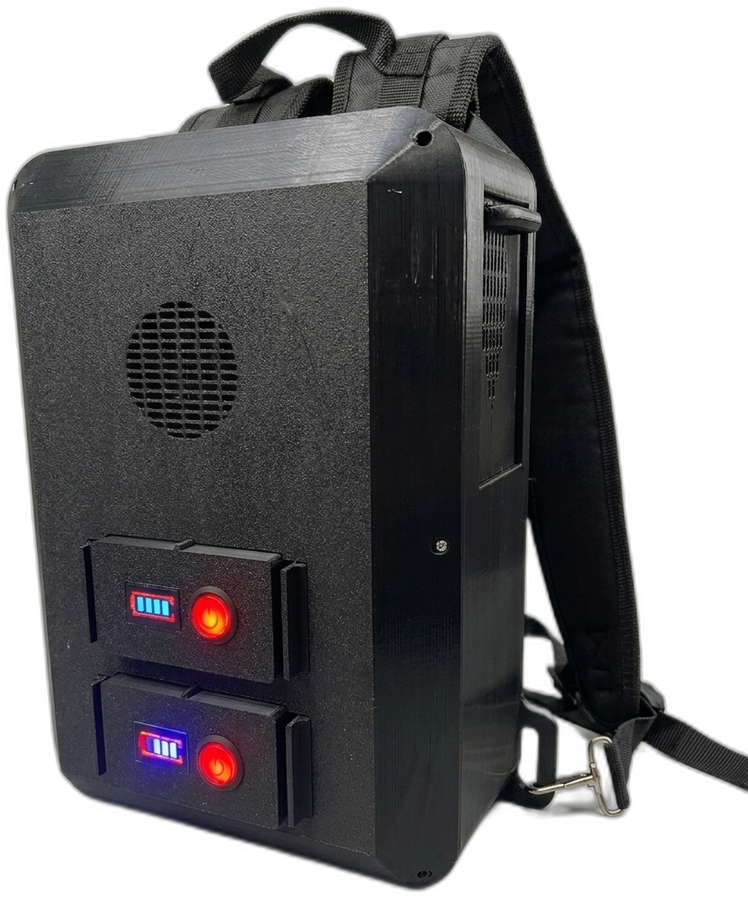 COMPUTE PACK · FULL-SHIFT BATTERY
FAQ
Frequent questions
No. Wearable cameras capture operations first-person in the natural work environment — the line runs as usual, and no permanent observer is required.
No. The audit runs on your current process and equipment. The reserve is found in how the work is organized — waiting, movement, variability — not in new machines.
No. We don’t rate people — we find the best reproducible process. The analysis is built around operations, and best practices become the standard for the whole shift.
Any plant where output depends on manual and semi-manual operations: machinery, food, textile, warehouse and logistics, electronics, polymers, furniture, pharma.
Let’s find your biggest capacity reserve
In a single pilot we’ll show where time goes on your line — without stopping it or buying new equipment.
Request a Pilot +