
6,000
hours of capture per month, live today
First-person industrial manipulation, captured on our own hardware inside working factories — not staged labs, not recruited participants.
Robot foundation models are not compute-constrained. They're data-constrained.
Factories are constrained by their manual labor's efficiency.
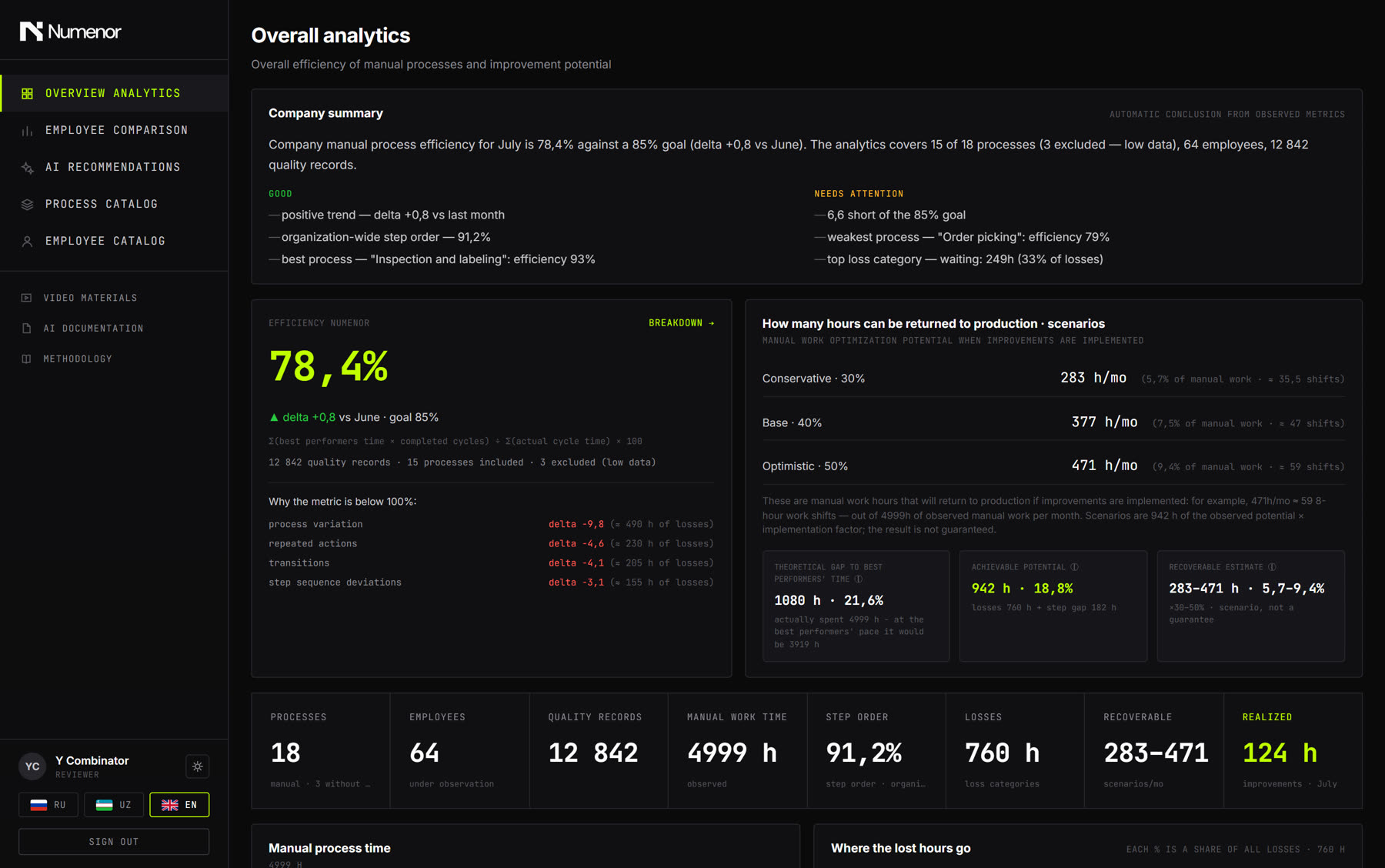
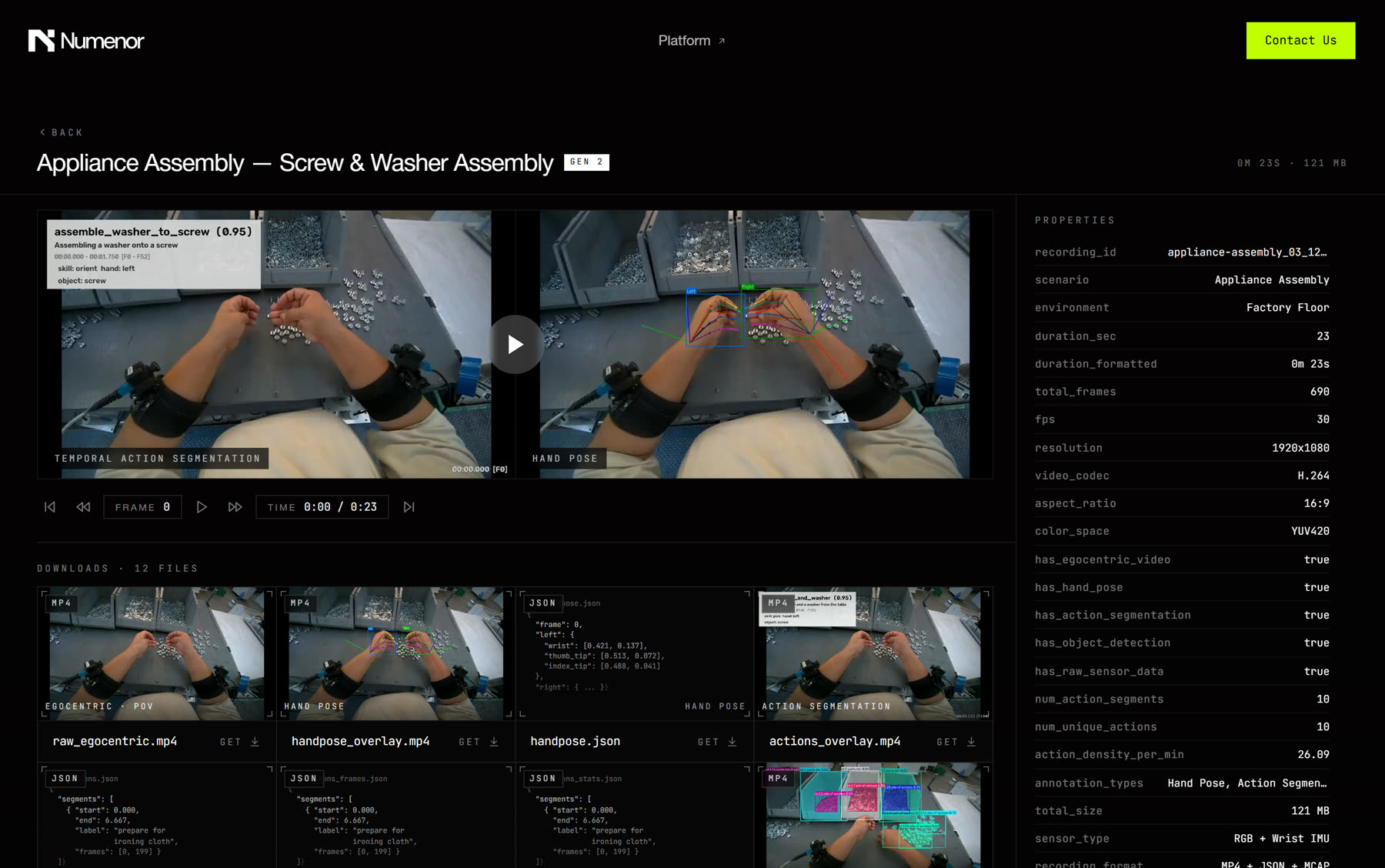
Every delivered hour ships to this exact specification — the sensors it was recorded with, the labels on every frame, the format it arrives in, and the rights that come with it.
| Device | Numenor NMR-01, in-house wearable capture unit |
| Modality | Egocentric RGB, head-mounted |
| Resolution | 1920x1080 @ 30 fps |
| Wrist telemetry | 6-axis IMU, 200 Hz, hardware-synced |
| Hand pose | 21-keypoint, per hand, per frame |
| Segmentation | Cycle boundaries, action units |
| Labels | Verb-object ontology |
| Delivery format | RLDS / LeRobot-compatible episodes |
| Throughput | 1,500 hours/week sustained |
| Licensing | Perpetual, non-exclusive; exclusive available |
What buyers inspect before purchase. Load the sample, align frames to actions, find episode boundaries, verify rights — without asking us a single question.
episode_id · task_instruction · facility_id · operator_session_id
observation_streams · timestamps · cycle_boundaries · success_label
consent_id · license · provenance
Off-the-shelf action cameras weren't built for an eight-hour shift on a production floor. Ours are: a 1 kg wearable unit, 8 hours of runtime — a full shift — hardware timestamp sync between video and IMU, and a mount that survives a factory and doesn't slow the operator down.
That means we control unit cost, sensor configuration, and what a new capture site costs to open. A competitor sourcing consumer hardware controls none of it.
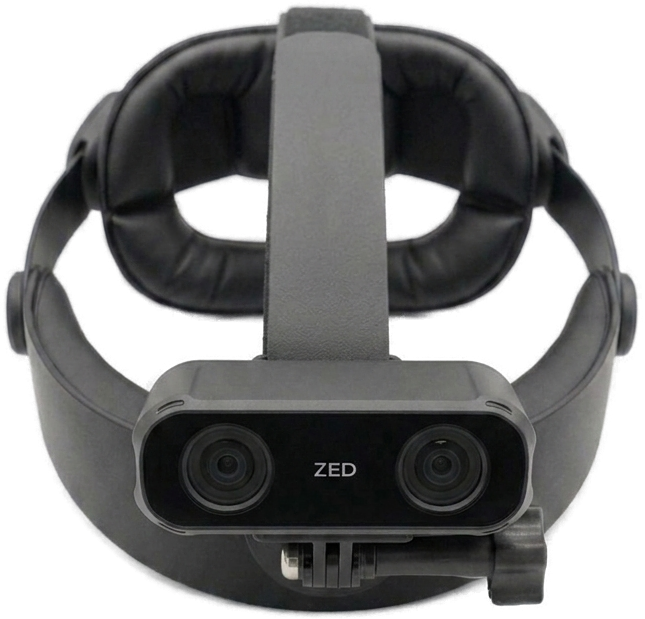 HEAD RIG · EGO RGB + IMU
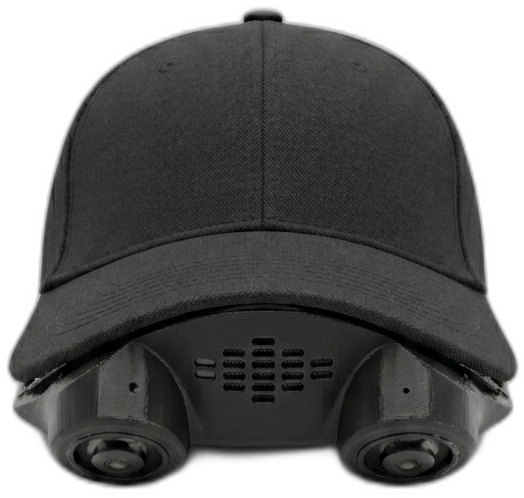 STEREO CAP · DUAL RGB
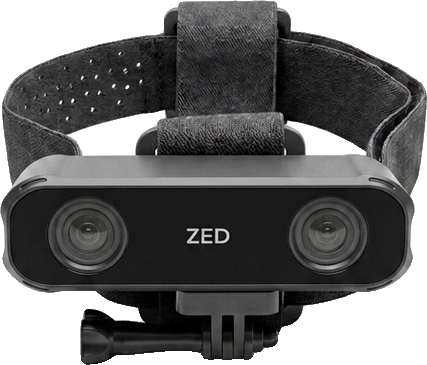 HEAD STRAP · EGO RGB + IMU
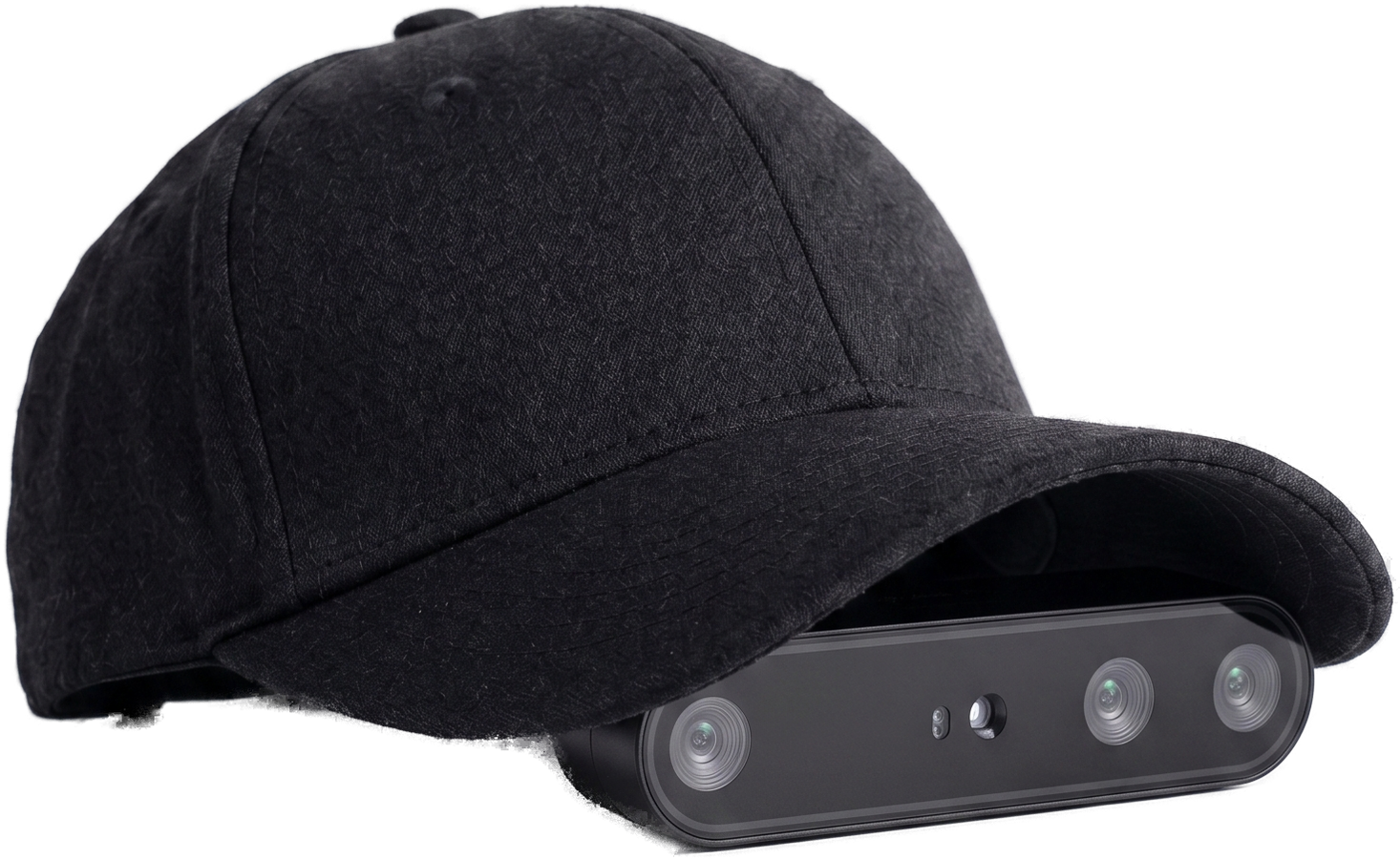 DEPTH CAP · RGB-D
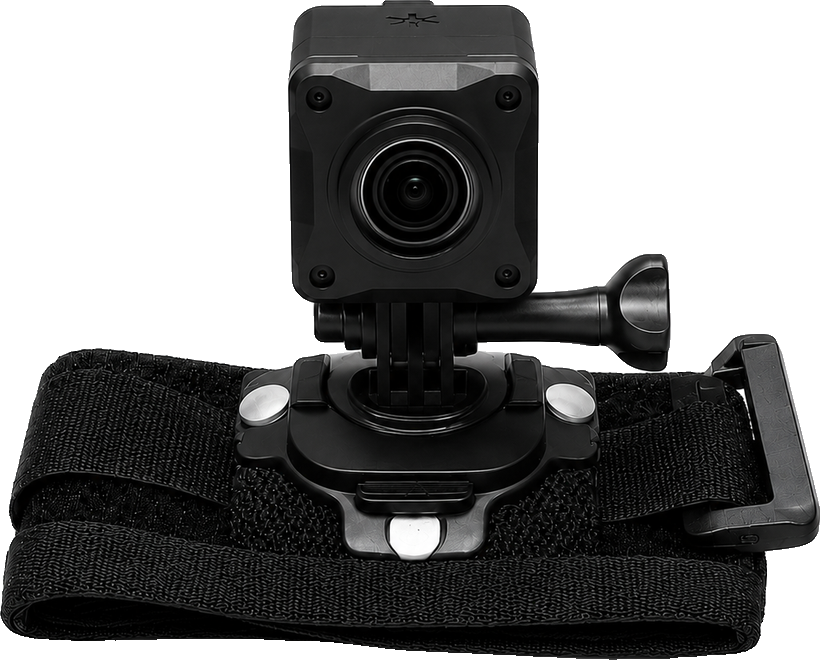 WRIST UNIT · RGB + IMU
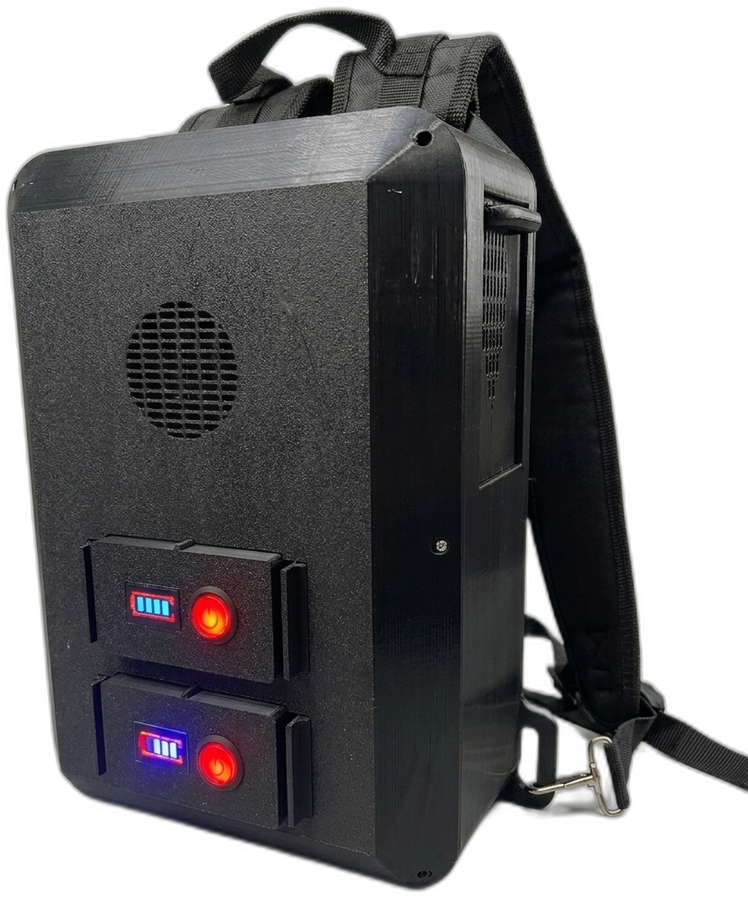 COMPUTE PACK · FULL-SHIFT BATTERY
Live in Uzbekistan today. Each new region opens with the same playbook and the same devices, run by our own team.
30 facilities · 6,000 hours/month. Assembly, metalworking, sewing, filling and packaging, manual installation, warehouse picking.
Opens on the same playbook, with the same NMR-01 fleet — run by our own team, not partners.
Aerospace MRO, shipbuilding, offshore — the rare processes that price highest.
— Rare processes price higher. An hour of aircraft engine MRO is not an hour of packaging, and the labs know it.
Most egocentric data on the market is recruited participants performing tasks for a camera, in homes and mock warehouses. Ours is people doing their actual job on a line that has to hit output today. Different distribution, real failure modes.
We build the capture hardware, we run the pipeline from raw footage to delivered episodes, and we hold the factory relationships. Nobody in this business owns all three, which is why their cost per hour is set by vendors and ours isn’t.
Our competitors’ unit economics start negative. Ours start positive, so we can scale capture ahead of data revenue.

Factory access, data licensing, and the deal that pays for capture.
LINKEDIN ↗
Built the entire pipeline: ingest, sync, hand pose, cycle segmentation, annotation, delivery.
LINKEDIN ↗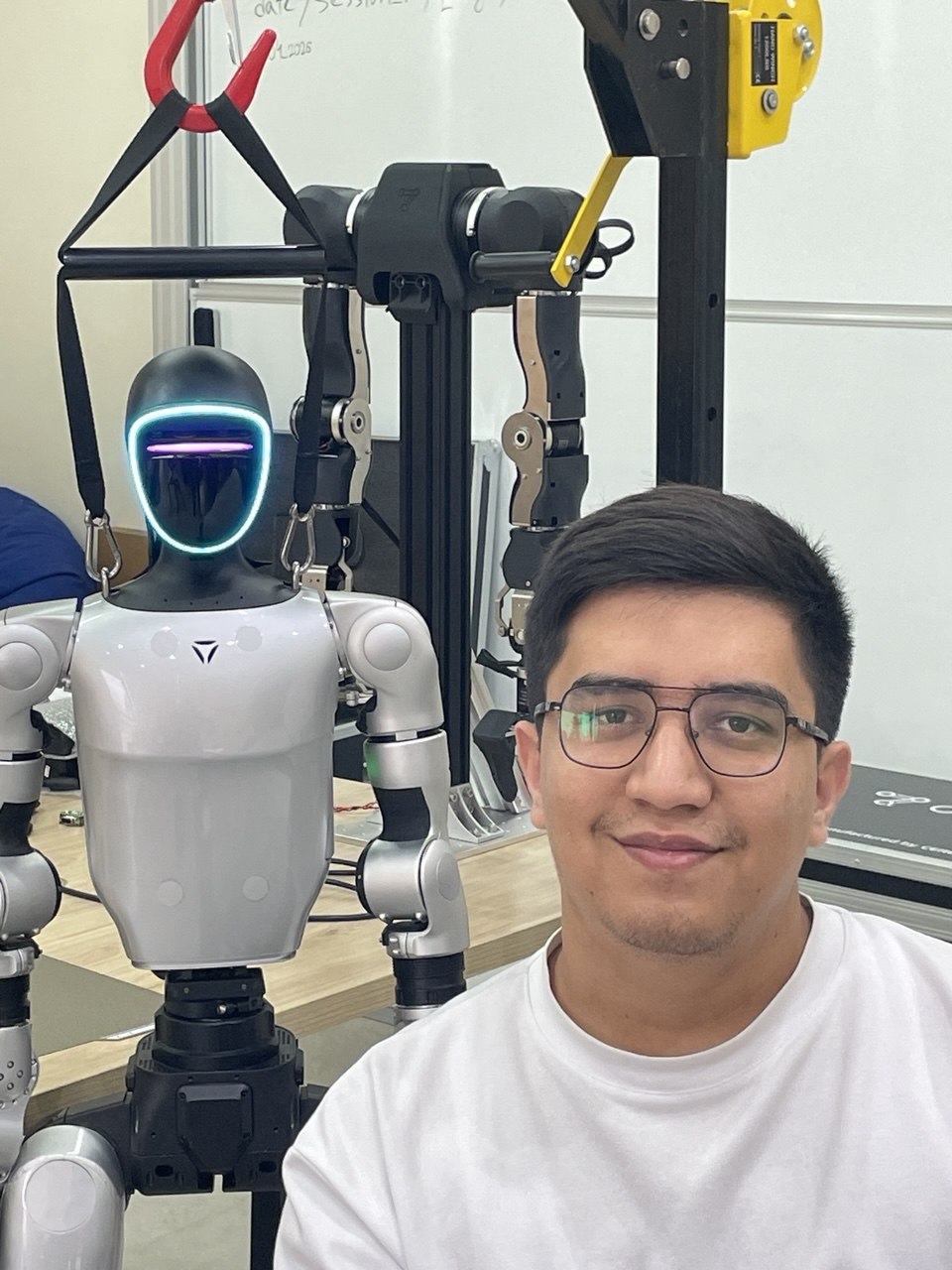
Default licensing is perpetual and non-exclusive. Exclusive licensing is available per process or per facility — priced accordingly.
RLDS / LeRobot-compatible episodes: egocentric RGB at 1920x1080 @ 30 fps, 6-axis wrist IMU at 200 Hz hardware-synced, 21-keypoint hand pose per frame, cycle boundaries, and verb-object action labels — plus a manifest with consent_id, license, and provenance for every clip.
Yes — that is what booking capacity means. We sustain 1,500 hours/week across six process families today; rare processes price higher.
Every operator signs an individual, revocable release; facilities assign capture rights to Numenor in writing. Faces are removed on request, process-sensitive segments are excluded per facility NDA, and every clip carries its consent ID.
Load the sample: align frames to actions, find episode boundaries, and verify the rights chain — without asking us a single question.
Because the factory already paid for the capture. Teleoperation rigs run $30–100 per hour before margin; our capture is funded by the process-analysis contract.